Published April 16, 2026 · Updated April 16, 2026
Recovering after the Sporting Life 10K: what to do in the first 72 hours
Endura Chiropractic · Lawrence Park, Toronto
The race is done. You finished it. Now your body is telling you something — and what it tells you in the next 48–72 hours is worth paying attention to.
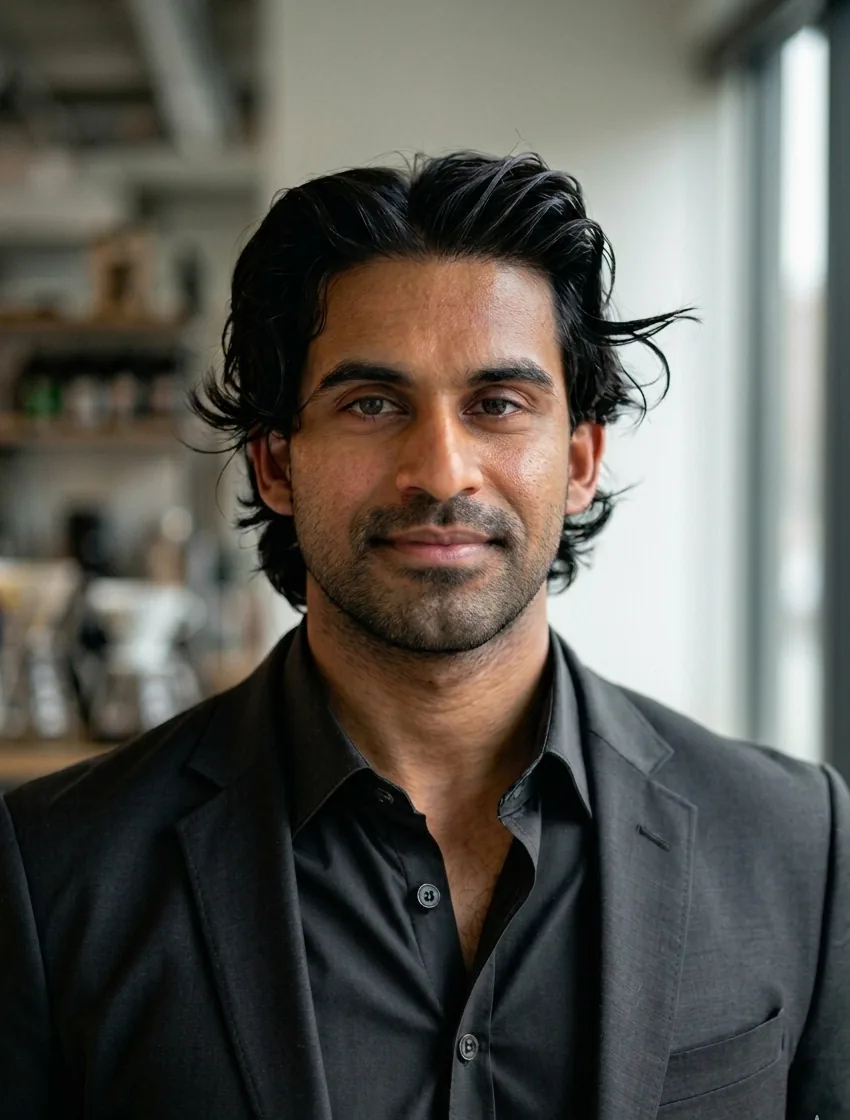
“Dr. Devon Savarimuthu, DC, CSCS, says: ‘The 48 hours after a race give us useful context. If a specific pain appeared during the race and persists, assess the painful area, the surrounding capacity, and the recent training load before deciding what it means.’”
Most post-race soreness is normal. Some of it isn’t. Here’s how to tell the difference — and what to actually do with your body this week.
What’s normal after a 10K
A 10K race at effort is a significant physiological event. At race pace, you’re producing force with every step at 1.5–2x your body weight. Over 10,000 metres, your lower limbs absorb somewhere between 6,000 and 10,000 landing cycles depending on your stride rate.
Normal post-race responses:
General muscle soreness (DOMS — delayed onset muscle soreness) in the 24–48 hour window. Mainly in the quads, calves, and glutes. It peaks around 48 hours. This is normal tissue repair — small muscle tears from the hard effort are healing. It’s not an injury.
Mild joint stiffness in the morning for 1–2 days. Your knees, hips, and ankles have been loaded heavily. Some morning stiffness that resolves with movement is normal.
Fatigue and reduced motivation for 2–3 days. Your central nervous system is recovering as much as your muscles. Feeling flat is normal and doesn’t mean your fitness is gone.
Mild swelling in the feet and ankles. Blood pooling from prolonged cardiovascular effort is common, especially in warmer weather. Elevating your legs for an hour post-race reduces this.
What isn’t normal
Pain that was present during the race and is still present 24 hours later.
If something hurt at kilometre 7 and it still hurts the next morning, it may not be ordinary muscle soreness. Common presentations after a 10K include:
- Lateral knee pain that persists: may fit an IT-band or patellofemoral presentation, but the knee and surrounding capacity both need assessment.
- Heel or arch pain that’s acute rather than diffuse: may involve the plantar fascia or another local structure and should be assessed if it persists or limits walking.
- Lower back pain that’s one-sided or sharp: needs an examination rather than a diagnosis based on location alone.
- Anterior shin pain that’s localized rather than diffuse: can be more concerning than general muscle soreness, especially after a sudden training or shoe change.
Swelling in a specific joint (not general lower leg puffiness).
Joint effusion — fluid buildup inside a specific joint — can follow an injury or another inflammatory response. If your knee joint is swollen the morning after a race, that warrants assessment.
Neurological symptoms: tingling, numbness, or weakness in one leg.
New neurological symptoms warrant prompt medical assessment, particularly if they are worsening or accompanied by marked weakness, saddle numbness, or bladder or bowel changes.
The 72-hour recovery window
Hours 0–4 (post-finish):
- Keep moving. A 10-minute easy walk after the race prevents blood pooling better than sitting.
- Eat something with carbohydrates and protein within 30–45 minutes of finishing. Your muscles are primed to absorb fuel right after a race.
- If you’re sore and have access to cold water: a 10–15 minute cold water immersion or contrast shower can reduce acute inflammation without impairing adaptation.
- Hydrate. You’ve lost more fluid than you realize.
Hours 4–24:
- Rest. This means no running, no gym, nothing that loads your lower limbs significantly.
- Gentle walking is fine — 20–30 minutes of easy movement supports recovery.
- Ice specific areas if they’re acutely sore and localized. Ice doesn’t accelerate healing but can manage acute pain.
- Sleep. This is the most powerful recovery tool available. 8+ hours if possible.
Hours 24–72:
- Light movement. A 20-minute easy walk or gentle bike ride on day 2 is appropriate.
- Assess what’s lingering. Normal soreness should be improving. If something specific is getting worse rather than better, that’s the signal to address it.
- This is the window to book a post-race assessment if something showed up during the race that you want evaluated.
When to come in
Book a same-day or next-day appointment at Endura if:
- You had a structural complaint during the race (lateral knee, heel, hip, lower back) that’s persisting
- You felt something specific change during the race — a sharp pain, a “pop,” a sudden onset of tingling
- You’ve had this happen before and it’s the same pattern returning
Do not use a hard training session to test a symptom that is worsening, changing your gait, or limiting daily activity. An assessment can help decide whether modified training is reasonable and what should be monitored.
The clinic is at 3440 Yonge St — Yonge and Lawrence, entrance on Deloraine Ave. Call (647) 951-5841 to ask about the next available appointment.
What the post-race week tells you about your training
Post-race soreness is a data set. Where you hurt, what hurt during the race, what’s lingering after — all of it is information about the structural patterns your training produced.
Post-race symptoms can suggest what to assess, but they do not diagnose one weakness on their own. Quadriceps soreness may reflect the course, pacing, or training history. Lateral knee pain may justify checking the knee, hip capacity, cadence, and recent hills. Calf soreness may reflect pace or surface changes. Lower-back pain may prompt a review of the back, hips, trunk capacity, and running load.
This information is worth capturing. If you want to be a more structurally resilient runner next spring, the post-race window is when you find out what needs to change.
Related reading
Sources
- Lopes AD et al. — What are the main running-related musculoskeletal injuries? (Sports Medicine, 2012)
- Cheung K et al. — Delayed onset muscle soreness: treatment strategies and performance factors (Sports Medicine, 2003)
- Hausswirth C, Mujika I — Recovery for Performance in Sport (Human Kinetics, 2013)
Clinically Reviewed
By Dr. Devon Savarimuthu, DC, CSCS
Doctor of Chiropractic and Certified Strength and Conditioning Specialist at Endura Chiropractic in Lawrence Park, Toronto. Last updated April 16, 2026.
Not sure what's driving yours?
Answer 8 quick questions and get a plain-language explanation of what's likely keeping your pain from resolving — in about 3 minutes.
Find out what's driving your pain →